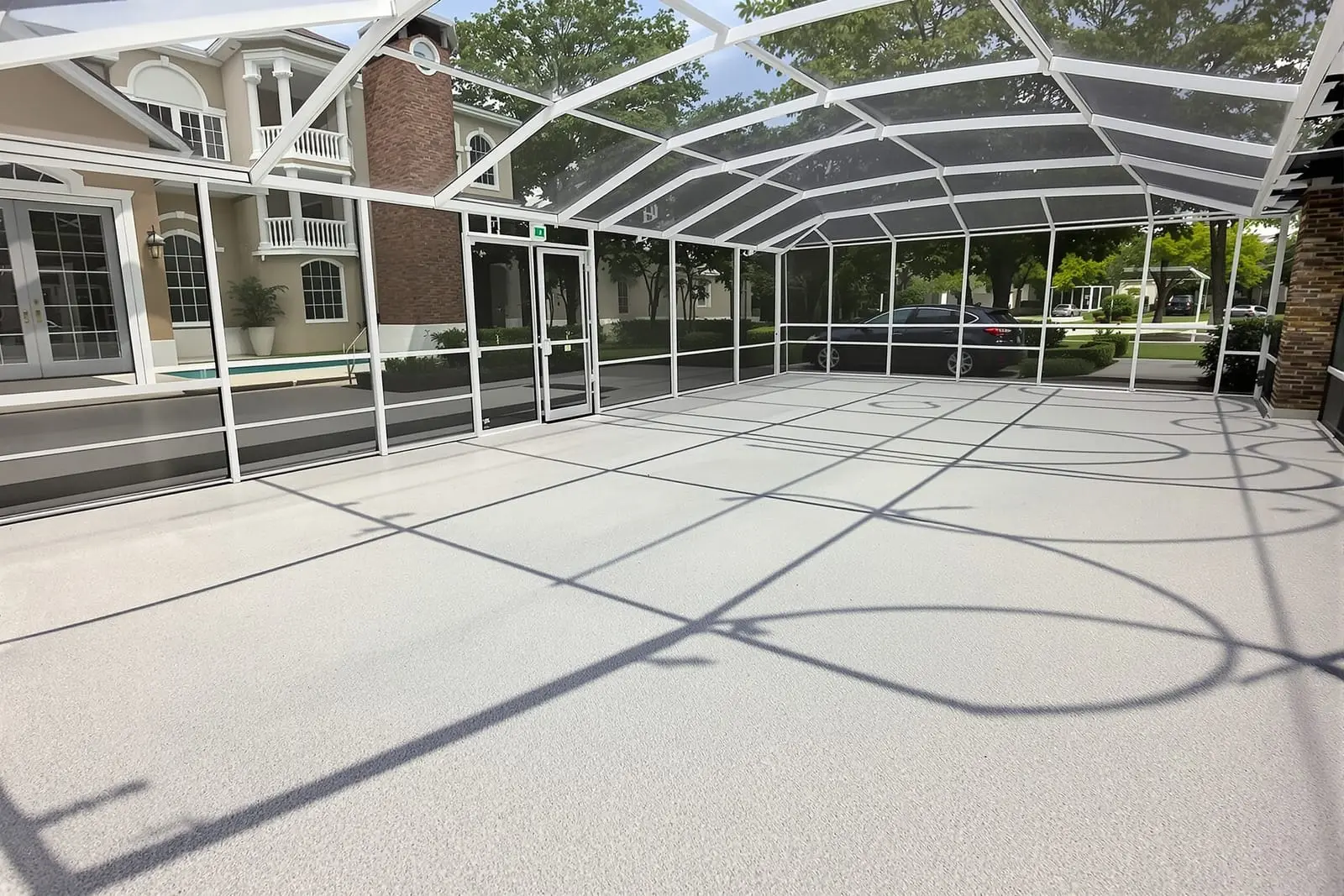
Vista Screens Orlando provides thorough pool cage rescreening in Orlando, FL to refresh aging or storm damaged enclosures. We remove loose or brittle panels and install high quality screen mesh that improves visibility and durability. Extend the life of your pool enclosure while restoring a clean, open look to your outdoor space.
Vista Screens Orlando provides professional pool cage rescreening throughout Orlando, FL and the surrounding area. Our licensed, insured crew delivers safe, clean, on-time work with a free estimate before anything begins. Call (321) 364-4702 or request your free quote.
Pool cage rescreening for Florida sun, storms, and bugs
Pool cage rescreening is not just about replacing old mesh. In Orlando, your enclosure takes constant UV exposure, afternoon thunderstorms, and hurricane-season wind. At Vista Screens Orlando, we focus on restoring the strength and function of your cage, not just stretching new screen over weak framing.
Most of the rescreens we do start because of a mix of issues: brittle screen that tears when you touch it, seams pulling out of the spline channels, corrosion around screw heads, and panels that rattle in a storm. We inspect the entire structure first, including roof panels, wall panels, door openings, and any attached screen rooms. If we find frame damage or loose hardware, we point it out on site and explain whether it must be fixed before new screen goes in. This keeps you from paying for a cosmetic rescreen on a cage that will not hold up through another windy season.
Since Orlando has a lot of enclosed pools with irregular shapes, we also look at how your enclosure is actually used. For example, where the kids run through the doors, where furniture scrapes the walls, or where landscaping touches the screen. Those high-wear spots influence which screen material and spline we recommend, so you are not calling us back with needless tears in the same spots next year.
How pool cage rescreening is actually done
A full pool cage rescreen with Vista Screens Orlando follows a clear sequence so your enclosure is open for the shortest time possible.
1. Site prep and protection: We move or cover furniture, grills, and decor inside the enclosure. If you have a new deck, pavers, or a recently resurfaced pool, we use drop cloths and foam padding in work areas to avoid scratches from ladders or old screen.
2. Remove old screen and spline: Our crew removes the existing mesh panel by panel. We pull spline from the grooves (channels) in the aluminum framing and bag all debris so it does not end up in your pool or landscaping. Any stubborn spline or screen stuck under paint is carefully cut out so the new spline will seat correctly.
3. Inspect and tighten structure: With the screen off, we can see and reach fasteners. We replace rusted screws with new, exterior-rated fasteners sized for aluminum enclosures, and we tighten loose brackets at the beams and wall connections. If we see frame cracks or pulled anchors at the deck, we show you in person and give options.
4. Install new screen panels: Screen rolls are cut to size on site. We use professional screening tools to seat the screen in the frame and press new spline into the channels. Roof panels are installed from stable ladder positions or walk boards, not by stretching from the ground. This keeps proper tension so panels do not sag in the middle after a few months.
5. Doors, hardware, and final detail: Door panels are usually the most used, so we often use a more durable mesh on them. We check closures, hinges, and bug sweeps at the bottom of each door to make sure there are no gaps for mosquitoes. Before we leave, we clean up loose screen strands and debris, then walk the enclosure with you so you can inspect every area while we are still on site.
Screen materials and options that work in Orlando
Not every enclosure in Orlando needs the same screen. At Vista Screens Orlando, we match material to your specific pool, yard, and budget.
Standard insect screen: This is a fiberglass or polyester screen that keeps out mosquitoes and most small bugs. It is usually the most affordable option and works great for homeowners who mainly want bug control and a bit of shade.
Premium and long-life screen: If your cage has full sun exposure most of the day or you are tired of rescreening every 5 to 7 years, we offer heavier-gauge mesh rated for longer UV life. It costs more up front, but for many Orlando homeowners who plan to stay in their home, it can reduce the number of full rescreens over the life of the cage.
Pet and high-traffic areas: For door panels or lower wall panels where dogs jump or kids push on the screen, we can install stronger pet-resistant screen just in those sections, while using standard mesh on the rest of the cage to control cost. This is common around back doors that open to the pool area.
Privacy and shade options: Some neighborhoods around Orlando have close lot lines, and some owners want more shade over one side of the pool or a hot tub. We can mix in privacy screen or tighter-weave material on certain wall panels to block lines of sight or lower afternoon heat gain, while still using standard screen on the roof to let smoke from a grill vent out.
We also consider your existing frame color (white, bronze, or custom) so the spline and screen choice looks clean and does not stand out with mismatched shades when the work is done.
Costs, timing, and what affects your pool cage rescreen price
Pool cage rescreening cost in Orlando depends on more than the square footage of screen. When Vista Screens Orlando gives you a price, we walk through the main items that drive it so you understand what you are paying for.
Size and height of the cage: A small single-story lanai takes less time and material than a large, two-story pool enclosure with lots of roof panels. Higher roof panels require additional safety equipment and more labor, which is reflected in the quote.
Screen choice: Standard insect screen is the base level, and premium or pet-resistant mesh costs more per square foot. Many homeowners choose a mix to keep the total cost reasonable: standard on most roof and upper wall panels, upgraded mesh on doors and lower panels.
Condition of the frame and fasteners: If your cage is in good shape, we can usually keep hardware work to tightening and a few replacements. If the screws are heavily rusted, or if your enclosure is older and was built with plain steel fasteners, we may recommend a screw replacement package so the new screen is supported by solid hardware. That adds labor and materials but helps the cage hold through storm seasons.
Access and obstacles: Screen cages that are tight to a property line, have steep slopes around the deck, or have landscaping grown into the frame take extra time to work around. If we need to coordinate with a tree trimmer or move heavy items, we explain that up front.
Most full pool cage rescreens are completed in one to two days, depending on cage size and weather. We schedule around pool service when possible so you do not have chemicals added right as we are working overhead. Our proposals are written in plain language, with screen type, approximate square footage, hardware options, and estimated timeframe spelled out so you can compare us to other bids on an apples-to-apples basis.
Local considerations in Orlando and how to schedule
For most existing pool cage rescreening jobs in Orlando, you do not need a new building permit because we are not altering the structure, only replacing the screen fabric and related hardware. If we discover framing damage that requires structural repair, we explain whether a permit is needed based on the city or county you are in (Orlando, Orange County, Seminole County, or nearby). For HOA communities, many associations simply want to know the color and material you are using, and that the appearance will remain consistent. We can provide a simple description and material data sheet if your HOA asks for documentation.
Weather timing matters in Central Florida. We plan rescreens outside of heavy storm windows when possible, and if radar shows a strong system moving in during your scheduled day, we will talk with you about whether to shift work so your enclosure is not left partially open overnight. We also pay attention to pollen season and nearby construction dust, since open panel time is when debris can blow into your pool.
When you contact Vista Screens Orlando, we typically start with a site visit so we can measure your enclosure accurately and check frame condition. During that visit, we can discuss screen options, any specific issues like geckos getting in around doors, and any previous repairs done by other companies. You get a written estimate, and once approved, we schedule your project and order materials if we are using upgraded mesh.
On the day of work, we ask that pets be kept inside and that access gates be unlocked. You do not have to be home the whole time, but we prefer you are available at the end so we can walk the cage with you, test door operation, and answer questions about care and cleaning of your new screen.
“
Professional pool cage rescreening, done right the first time, quality materials, honest pricing, and results that last.