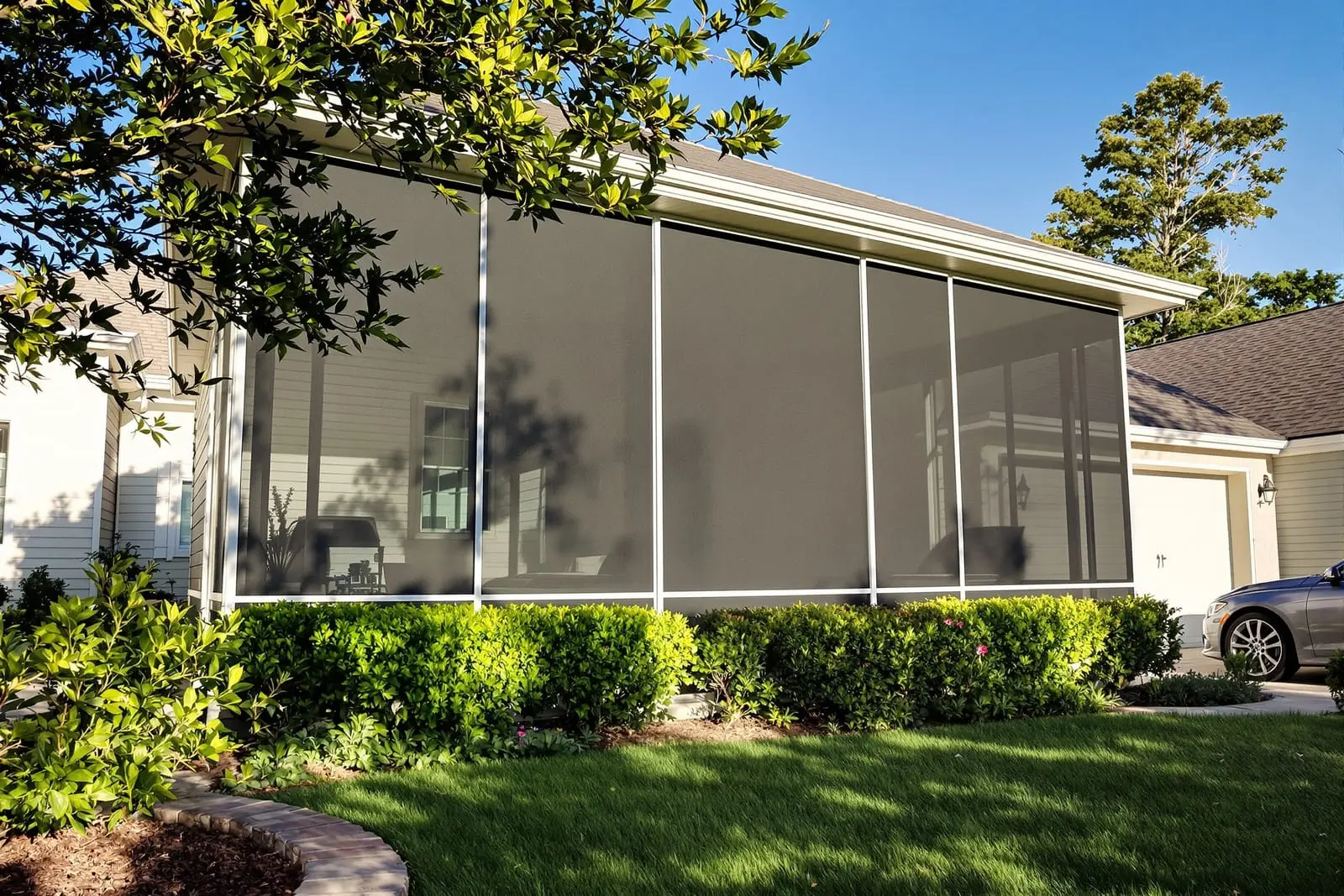
Vista Screens Orlando provides precise, long lasting screen installation in Orlando, FL. We install custom window, door, and patio screens that improve comfort, airflow, and curb appeal. Count on our licensed technicians for top quality materials and a clean, secure finish on every project.
Vista Screens Orlando provides professional screen installation throughout Orlando, FL and the surrounding area. Our licensed, insured crew delivers safe, clean, on-time work with a free estimate before anything begins. Call (321) 364-4702 or request your free quote.
Practical screen installation for Orlando homes and patios
Vista Screens Orlando focuses on screen installation that actually fits how people use their homes in Central Florida. We work on block homes from the 70s and 80s, newer stucco subdivisions, downtown Orlando bungalows, and townhomes with tight HOA rules. The goal is simple: keep bugs out, let air and light in, and stand up to Florida sun and storms.
Most of our screen installation work in Orlando falls into a few categories: pool enclosures, back patios and lanais, front entryways, and window and door screens. Each one has different wind loads, attachment points, and wear patterns, so we do not treat them the same. Before any quote, we measure, look at how water drains around the area, check existing aluminum framing or framing options, and note exposure to afternoon sun and wind.
We do not rush into installation. We look for rusted fasteners, loose concrete footers on older pool cages, rotten wood around porch roofs, and hairline cracks in stucco that might affect fastener grip. If we skip that step, your new screen is more likely to sag, tear, or let water in around the frame. You will know up front what is solid, what needs repair, and what can safely stay as is.
How the screen installation process actually works
A typical screen installation project with Vista Screens Orlando follows a clear sequence so you know what is happening at every step.
1) Site review and measurements. We walk the entire area, confirm access, measure each opening, check slope of the deck or patio, and look at gutter placement. In Orlando, many lanais share a wall with the house and tie into a shingle or tile roof, so we verify that roof edges, fascia, and soffits can support the enclosure or screen attachment. For window and door screens we record exact frame dimensions and hardware type.
2) Material selection. Once we know the structure and size, we sit down with you to choose mesh type, frame color, and hardware. For example, a yard under heavy oak trees might need a stronger mesh and more frequent support bars, while a shaded patio in Baldwin Park might prioritize visibility over maximum strength.
3) Preparation. For full enclosures we remove old screen and spline, pull rusted anchors, and clean track channels. We often have to vacuum out sand and debris from older frames in East Orlando and Pine Hills where grit has built up for years. On homes with older paint or chalking stucco, we prep contact areas so new sealant and fasteners hold.
4) Frame and attachment. If a new frame is needed, we cut and assemble aluminum members on site, square them, then anchor them into the slab, wall, or roof line using stainless or coated fasteners rated for Florida coastal and high humidity environments. For rescreens, we inspect all connections before installing new mesh.
5) Screening and tensioning. We roll the spline into the frame using pneumatic and hand tools, pulling the screen to a consistent tension so it is tight but not overstressed. Corners and tall panels are tightened in a specific sequence to reduce future sag. On large pool cage walls we often install mid-span supports to keep the panels from bowing in wind.
6) Final check and clean up. We test doors, check latch tension, verify there are no gaps along the slab or roof line, trim excess spline, and rinse or sweep your deck. You walk the job with us before we leave.
Screen materials and options that make sense in Central Florida
Orlando weather is brutal on weak screen material. At Vista Screens Orlando we only offer mesh types that make sense for local sun, humidity, and insects.
Standard fiberglass mesh works for budget projects and lightly used patios, but it usually fades and stretches faster in direct sun, especially on south and west facing walls. Pet resistant polyester mesh is thicker and holds up better against dogs that lean on doors or claws at corners. In neighborhoods like Lake Nona and Winter Garden, where large dogs and active backyards are common, we install this type often.
For pool enclosures, we usually recommend a heavier mesh that stands up to afternoon storms and the updrafts off the water. This helps reduce the chance of blowouts during summer thunderstorms. We also discuss tighter weave options if gnats and no-see-ums are a problem, especially near lakes and wetlands like around Conway, Dr. Phillips, and the Butler Chain.
Frame color and finish matter too. Most Orlando homes use white or bronze aluminum. White brightens shaded patios but shows dirt faster. Bronze hides mildew stains better and often suits tan or darker stucco. The powder coat finish needs to handle high UV and humidity, so we specify finishes rated for Florida conditions rather than generic interior-grade coatings.
If you have a view of a golf course or conservation area, we can use high visibility mesh that reduces glare and makes the screen almost disappear from inside. It costs more than basic mesh but many homeowners choose it for rear-facing lanais where they spend a lot of evenings.
What drives screen installation cost in Orlando
Screen installation cost is not just a matter of square footage. Several real factors change the price, and it helps to understand them before you compare quotes.
Access and height. A ground-level patio with easy side access will always cost less than a two-story pool enclosure behind a narrow side yard. If we need special ladders or scaffolding to reach upper panels or roof attachments, labor time increases. Many two-story cages in suburbs like Hunters Creek and Avalon Park fall into this category.
Condition of existing structure. If your aluminum frame is straight, rust free, and well anchored, a rescreen is simple. If we find loose concrete footers, twisted beams from old storm damage, or significant corrosion around the base of columns, we either repair or replace those parts before installing new screen. That prevents you from paying twice when a weak frame fails later.
Mesh type and hardware. Higher grade meshes, no-see-um mesh, and pet resistant options have higher material costs. Stainless steel fasteners and upgraded door hardware add cost but matter in Central Florida where standard screws can rust in a couple of years. We always show the material line items on your quote so you know what you are paying for.
Design details. Features like kick plates along the bottom of doors, extra wide doors for furniture, screened pet doors, or added support bars change both material and labor time. If your HOA or community has specific design rules for enclosures, sometimes that means additional work to match required patterns and colors.
Common screen problems in Orlando and how we address them
Living in Orlando, you see the same screen issues over and over. Vista Screens Orlando tailors screen installation to prevent these problems whenever possible.
Sun rot and brittle mesh on west facing walls. Direct afternoon sun breaks down cheap mesh, especially on pool enclosures. We deal with this by using UV rated mesh and correct tensioning. On walls that take the hardest sun, we sometimes recommend heavier or darker mesh that handles UV better.
Sagging roof panels. Many older enclosures around Orlando were built with long roof spans and light support. Over time panels lose tension, collect debris, and start to sag. When we install new screen on a roof, we clean out the channels, check support members, and adjust panel sizes and spline patterns so tension is balanced across the whole roof.
Rust stains and failing fasteners. Humidity and sprinklers that hit the frame cause rust streaks and weakened screws. When we are installing new screen we pull any corroded hardware we can access and replace it with stainless or coated options. On new attachments to block or concrete we use anchors suited to damp conditions.
Gaps along the slab. Settling slabs and uneven pavers create small openings pests love. Before we finish any screen installation, we check the bottom line with a light test and fill or adjust where needed. On very uneven surfaces we may recommend a small kick plate or modified base channel to close the gap properly.
Door alignment issues. Patio and pool enclosure doors in Orlando get a lot of use. We install adjustable hinges, sturdy closers, and latches that stay aligned. At completion we test door swing, closing force, and latch catch, so kids and guests can use it without slamming or fighting the hardware.
What Orlando homeowners should know before hiring a screen installer
Before you hire any company for screen installation in Orlando, you should look at how they plan the job, not just the price.
Ask what materials they use and where they source them. For example, confirm that the mesh and aluminum are rated for Florida exterior use and that fasteners are stainless or properly coated. Get clarity on how they will handle any rotten wood, cracked stucco, or loose concrete they find. A very low bid that ignores repairs usually means you will have problems in a few seasons.
Request a clear scope of work. At Vista Screens Orlando every screen installation quote lists the mesh type, frame work (new, repair, or reuse), hardware upgrades, and any structural fixes. That way, if you compare quotes, you are comparing the same level of material and labor instead of guessing.
Consider timing and cleanup. Screen installation creates debris: old spline, mesh, screws, metal shavings, and dust. Make sure the installer includes removal of old material and job site cleanup. If you have a pool, confirm how they will keep debris out of the water and whether they will need the pool equipment off for any part of the work.
Think about how you actually use the space. Tell the installer if you grill on the patio, if kids run in and out all day, or if pets lean on the doors. These details change our recommendations for door size, mesh strength, and kick plates. The best screen installation is not just neat and square, it matches your daily use and the specific weather and insect conditions in your part of Orlando.
“
Professional screen installation, done right the first time, quality materials, honest pricing, and results that last.